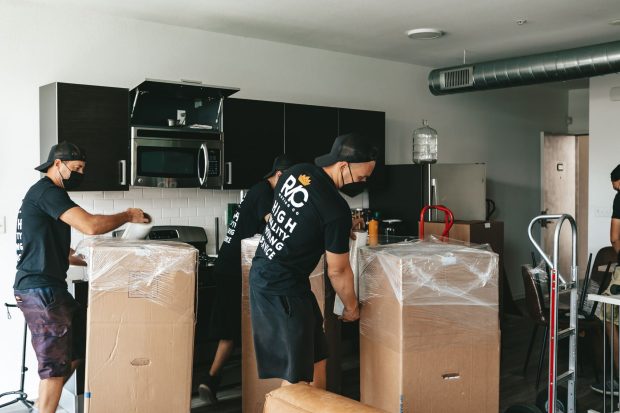
When a hallway is half-blocked by a laundry basket and a well-meaning cousin is hovering at the top of the stairs, a strong crew stops being fast. They wait, step around people, and re-plan every carry. The hours add up, the older person at the centre of the move gets more tired, and the bill grows. Most of that can be avoided. The people who carry the heavy furniture are professionals, and everyone else’s job is to make their work easy and keep the day calm. This checklist is written for the family helpers, neighbours and building staff who will be on site. Print it and tick things off.
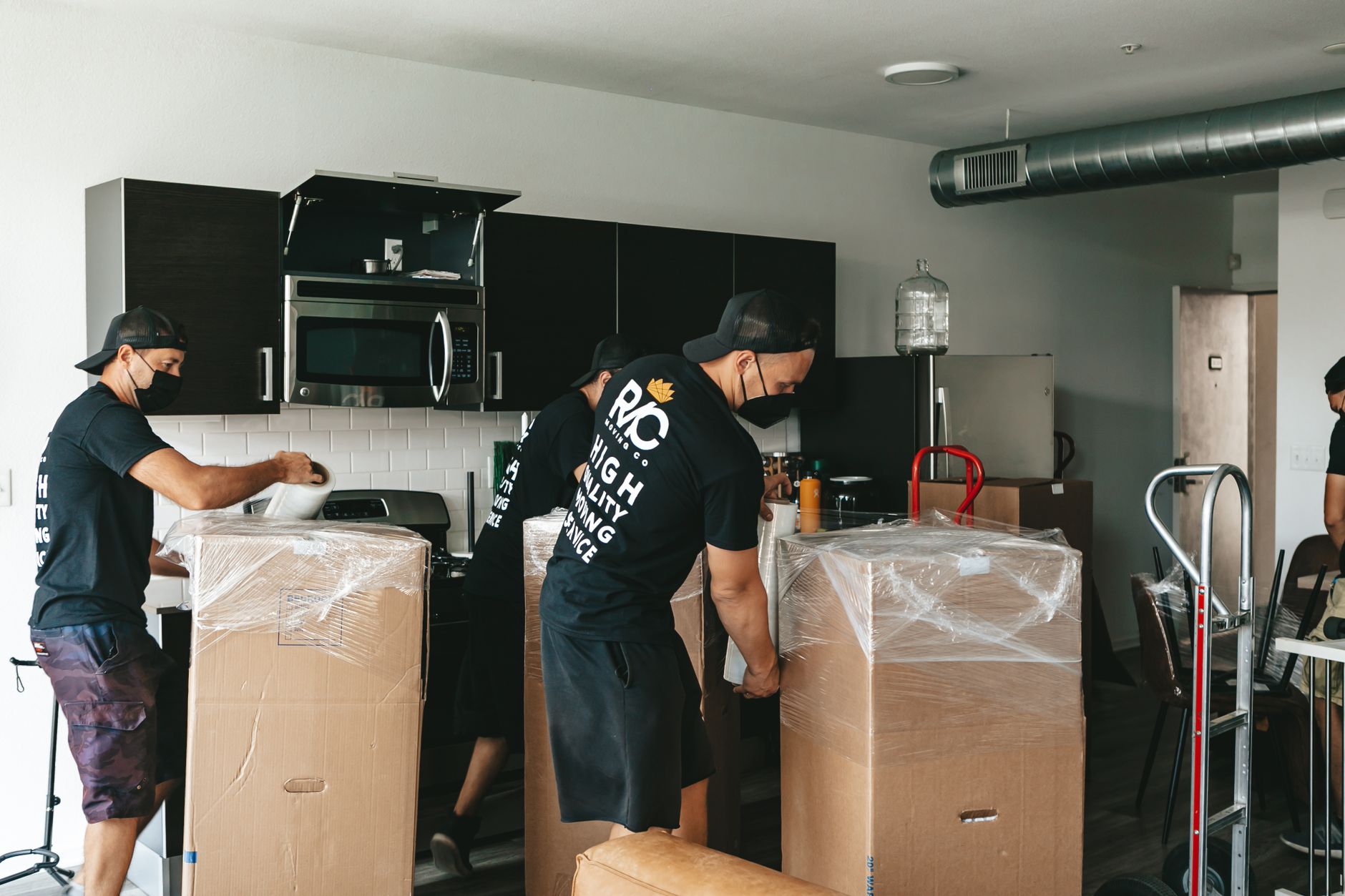
Before the Truck Arrives: The Night-Before Checklist
Most of the real work happens the evening before. Go through these with the older adult’s routine in mind, and finish early enough that nobody is doing it at midnight.
☐ Clear a straight path from every room being emptied to the front door, at least a metre wide. Move rugs, plant stands and loose cords out of it.
☐ Pull everything off the tops of dressers and out of drawers that rattle or slide. Leave only what is meant to travel inside the furniture.
☐ Reserve the elevator and loading area at both buildings, and confirm the time with the property manager. In an apartment or retirement residence, this booking is often the first thing that goes wrong.
☐ Save parking space near the entrance with cones or a note on the windshield of a family car, so the truck is not half a block away.
☐ Put a label on every room door at the new home, and use matching coloured tape or numbers on boxes and furniture at the old one.
☐ Pack an essentials box: a change of clothes, toiletries, phone charger, glasses, kettle and mugs, a few snacks, bedding for the first night. Mark it clearly and keep it out of the truck.
☐ Gather medications, pill organizer, health card, and key papers in one bag. Hand that bag to the person staying with the older adult, not to the crew.
☐ Lay out floor runners or cardboard along the main route, and pad door frames and banisters where large pieces will pass. Check first whether the crew brings its own.
While the Crew Works: Who Stands Where and Who Does What
Once the crew arrives, resist the urge to pitch in on the heavy items. A person grabbing one end of a sofa without being asked can throw off a carefully balanced team. Assign roles instead, and keep them simple.
Start with a five-minute walk-through with the crew lead. Point out the fragile items, the pieces that are staying, and anything with sentimental weight. It also helps to ask what the crew handles and what it expects from you. A senior moving service, for example, usually has its own site-prep routine and can tell you in advance whether it lays floor protection, wraps the furniture and dismantles the beds, or whether those jobs fall to the family. That answer decides how much of this checklist belongs to you.
☐ One person stays with the older adult the entire time, in a quiet room with a chair, a drink and something familiar. Their only job is company and reassurance. They do not carry boxes.
☐ One person is the point of contact for the crew lead. Everyone else sends questions through them.
☐ One person stands at the new home’s door, directing items to the labelled rooms.
☐ One person watches the elevator and the loading area, holds doors, and keeps the neighbours informed.
☐ Everyone else keeps hallways and stairs clear, deals with the pets, and brings water and lunch for the crew.
☐ If something is going to the donation pile or the curb, move it before the carrying starts, not during it.
Before the Doors Close: The Final Walk-Through Checklist
When the truck pulls away, the day is not finished. In a city like London, Ontario, where winter daylight is short and a late finish can mean icy steps, a tidy ending matters. Do this walk-through before the crew leaves, while the people who can answer questions are still there.
☐ Open every closet, cupboard and drawer in the old home. Check the basement, the garage and the back of the shed.
☐ Look behind doors and under beds for anything left against walls.
☐ Take photos of the empty rooms, and note any scuffs on floors or frames, so there is a record if something is disputed.
☐ Check the meter readings, turn off the lights and lock up. Hand over the keys as agreed.
☐ At the new home, confirm the bed is built and the essentials box is open before anything else is unpacked.
☐ Do a count of the major pieces against the inventory, and sign off only when it matches.
☐ Make sure the older adult has a seat, a meal and a quiet moment in the new space before anyone starts arranging furniture.
Four things to keep in mind on the day:
☐ Clear the paths and book the elevator and parking early.
☐ Let the crew carry; give everyone else a defined job.
☐ Keep one person with the older adult from start to finish.
☐ Walk every room before the crew leaves.